
Stop AI Agents from Writing Spaghetti: Enforcing TDD with Superpowers
Finally We Can Force AI Agents to Stop Acting Like Junior Developers The project Superpowers by Jesse Vincent (obra) s...

Thoughts on AI, development, and building products.

Finally We Can Force AI Agents to Stop Acting Like Junior Developers The project Superpowers by Jesse Vincent (obra) s...

The project Superpowers forces AI coding assistants to follow senior engineering practices like TDD and systematic planning. Instead of letting agents rush to write code, it enforces a disciplined workflow: write tests first, plan before implementing, and review before shipping.

Finally: An AI Agent That Actually Lives in Our Development Environment The project Claude Code from Anthropic s...

How We Finally Got AI Agents That Remember Across Git Branches The project Beads by Steve Yegge solves the persistent ...

Beads solves the persistent memory problem in AI coding agents by storing task graphs as versioned JSONL files directly in our Git repository - letting agent context survive branch switches and merges.

Reasoning Models Are Burning Our Budget on Trivial Questions The paper [TIME: Temporally Intelligent Meta-reasoning Engine for Context Triggered Explicit Rea...

The Memory Wall That's Blocking Our MoE Ambitions The paper [MoEBlaze: Shattering the Memory Wall in Large-Scale MoE Training](https://arxiv.org/abs/2601.052...

MoEBlaze tackles the critical memory bottleneck in Mixture-of-Experts training that limits our batch sizes and training speed. Through zero-buffer token dispatch and co-designed kernels, it achieves 4x speedups and 50% memory reduction compared to existing frameworks.

TIME introduces dynamic reasoning allocation for LLMs, reducing inference costs by 90% while improving accuracy. Instead of forcing expensive thinking traces on every query, the model learns when reasoning is actually needed - making production deployment practical.


Finally, An AI Agent That Can Actually Use Our Computer The project UI-TARS-desktop from ByteDance solves the...

ByteDance's UI-TARS-desktop bridges the gap between AI reasoning and execution by giving agents visual understanding of our desktop. Instead of being limited to APIs, it sees our screen and controls mouse/keyboard like we do - finally making AI useful for actual daily tasks.

The Fuzzer Ran for 18 Months. The Bug Was Still There. A recent [GitHub Blog post by Antonio Morales](https://github.blog/security/vulnerability-research/bug...

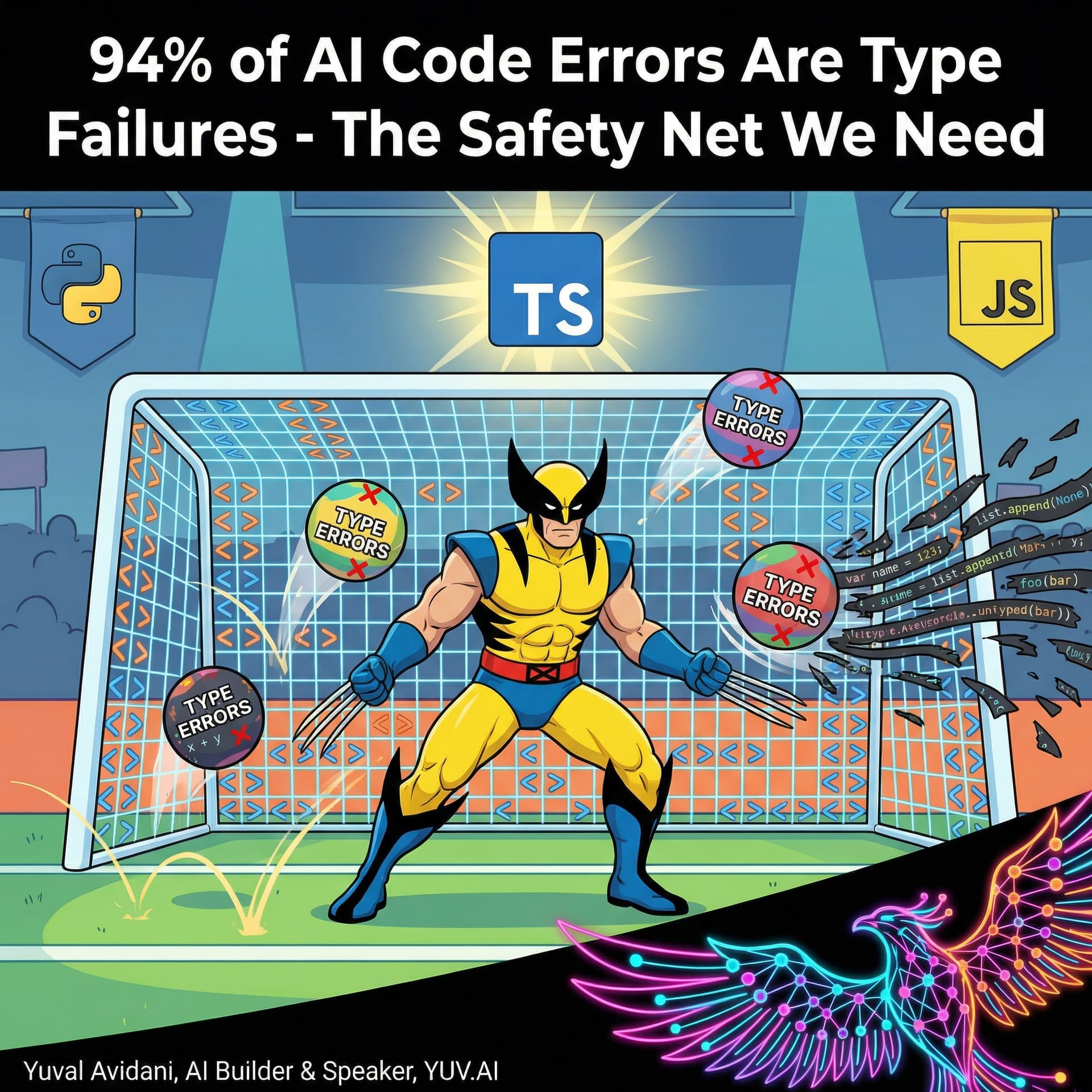
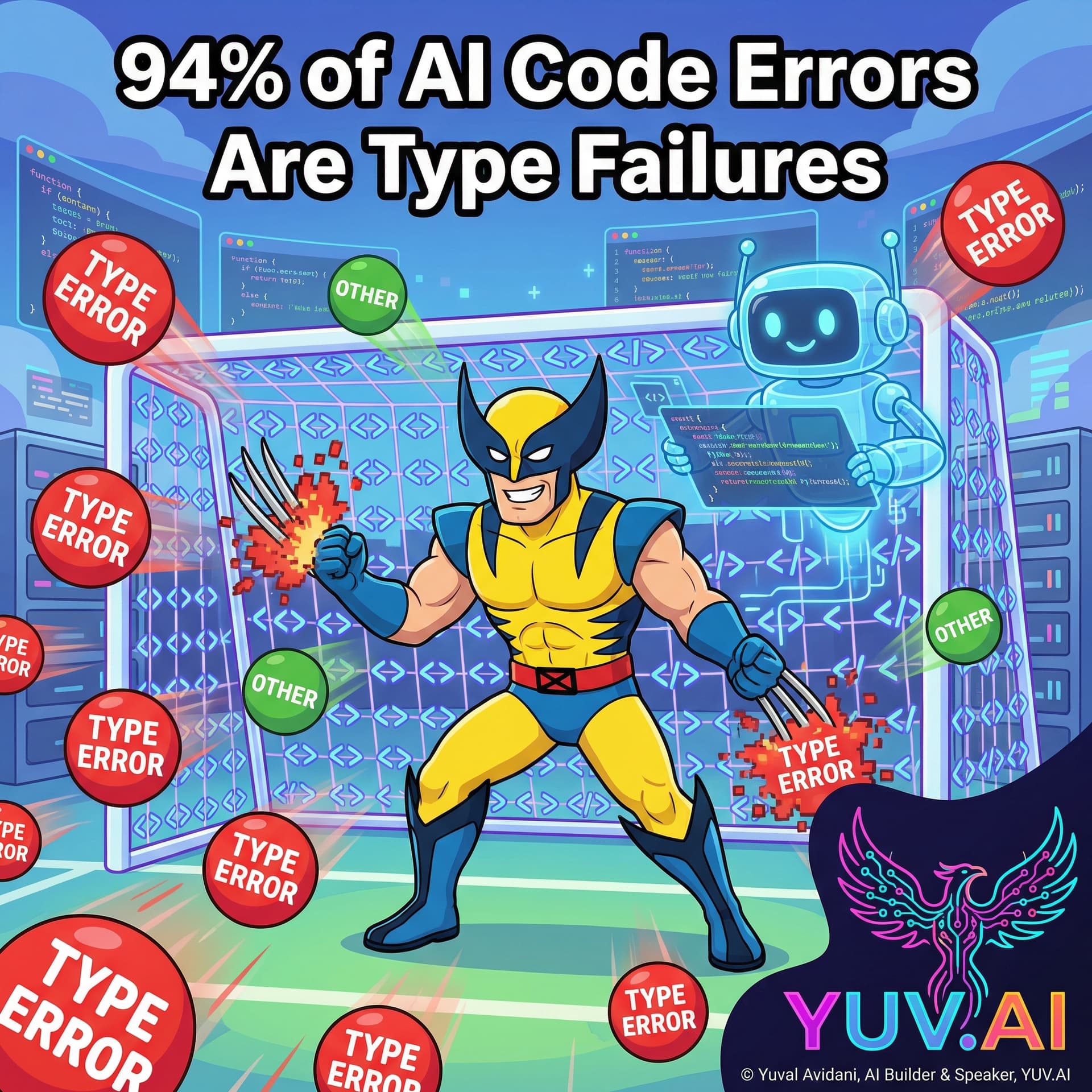
The 94% Statistic That's Changing How We Code A recent [GitHub Blog post by Cassidy Williams](https://github.blog/ai-and-ml/llms/why-ai-is-pushing-developers...

Continuous fuzzing initiatives like OSS-Fuzz miss critical vulnerabilities even after years of testing. This research reveals why standard edge coverage isn't enough and introduces a five-step workflow using Context-Sensitive and Value Coverage techniques to find the bugs that survive.

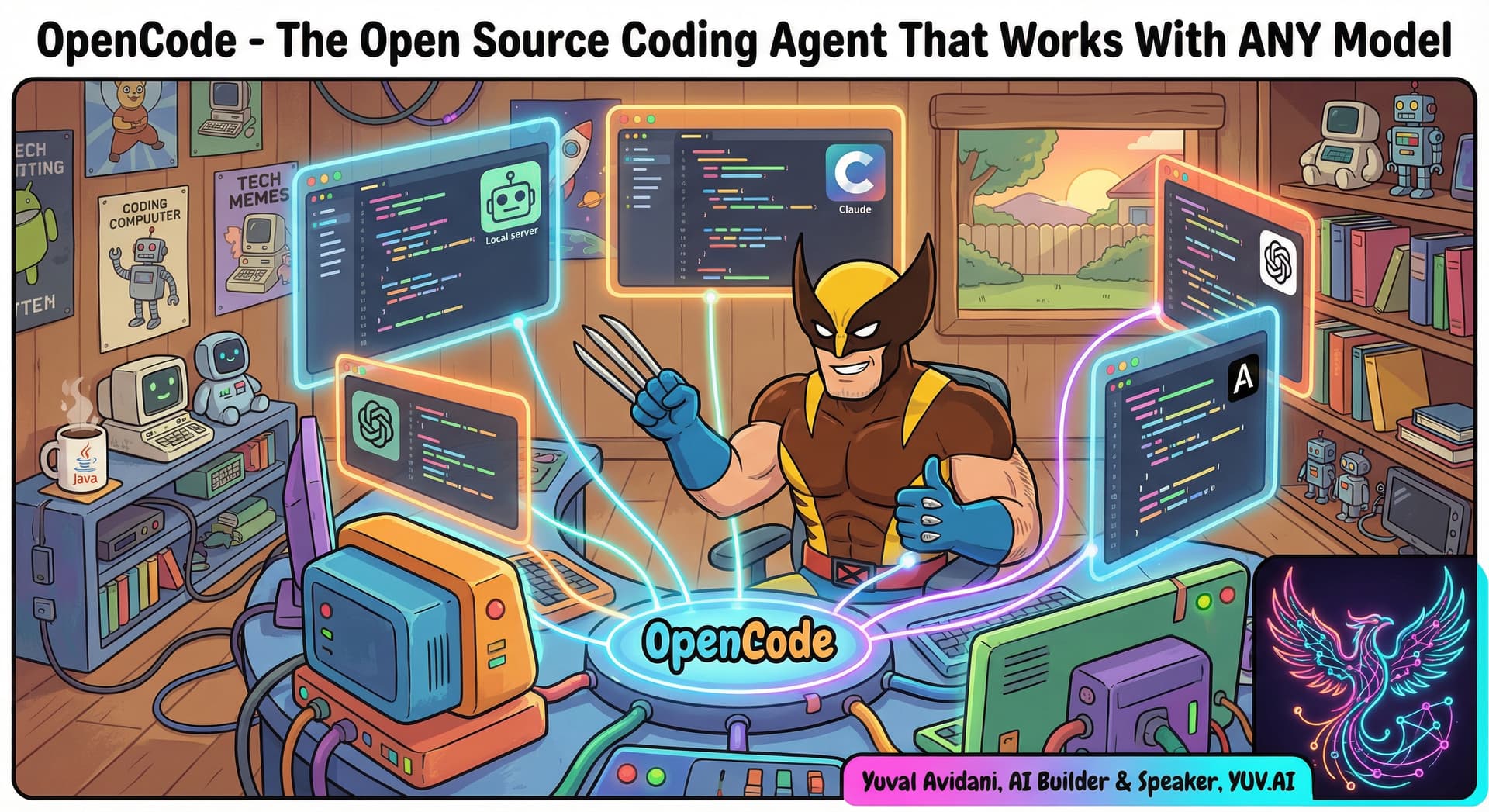
Finally, an AI Coding Agent We Actually Control The project OpenCode solves a problem we've all been wrestling with ...

An AI Coding Agent We Can Actually Own The project OpenCode solves a problem that's been frustrating us terminal use...

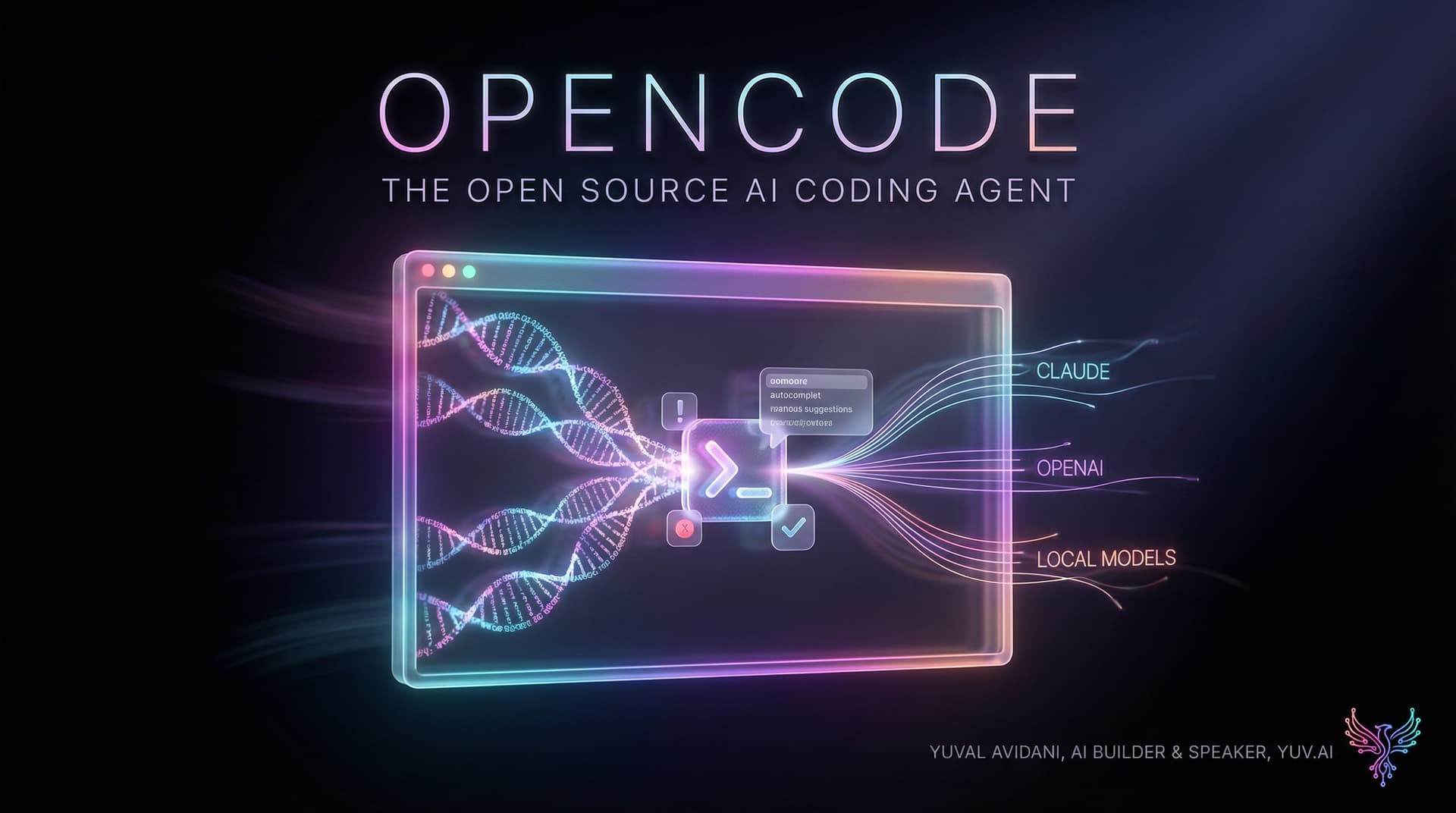
OpenCode is an open source AI coding agent that works with any model provider - Claude, OpenAI, Google, or local models. Finally we can have AI assistance in our terminal without vendor lock-in, with built-in LSP support and a client-server architecture.

The 94% Stat That Changes Everything A recent [GitHub Blog post by Cassidy Williams](https://github.blog/ai-and-ml/llms/why-ai-is-pushing-developers-toward-t...

AI Just Settled the Typed vs. Untyped Debate - And the Data Is Stunning A recent [GitHub Blog post by Cassidy Williams](https://github.blog/ai-and-ml/llms/wh...

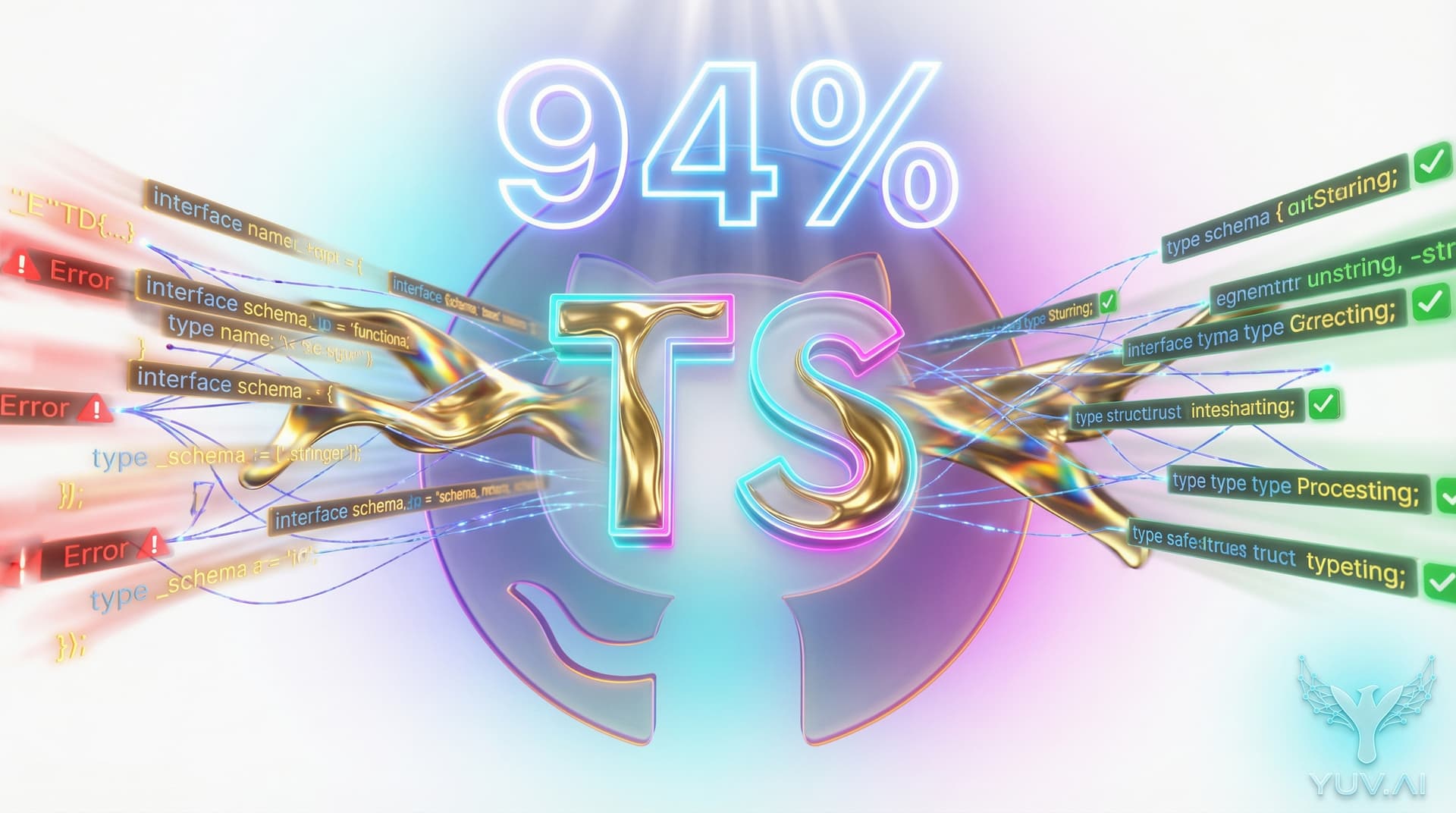
New data reveals that 94% of LLM compilation errors are type-check failures. This explains why TypeScript just overtook Python and JavaScript as the most-used language on GitHub - and why typed languages are becoming essential for our AI-assisted development workflow.

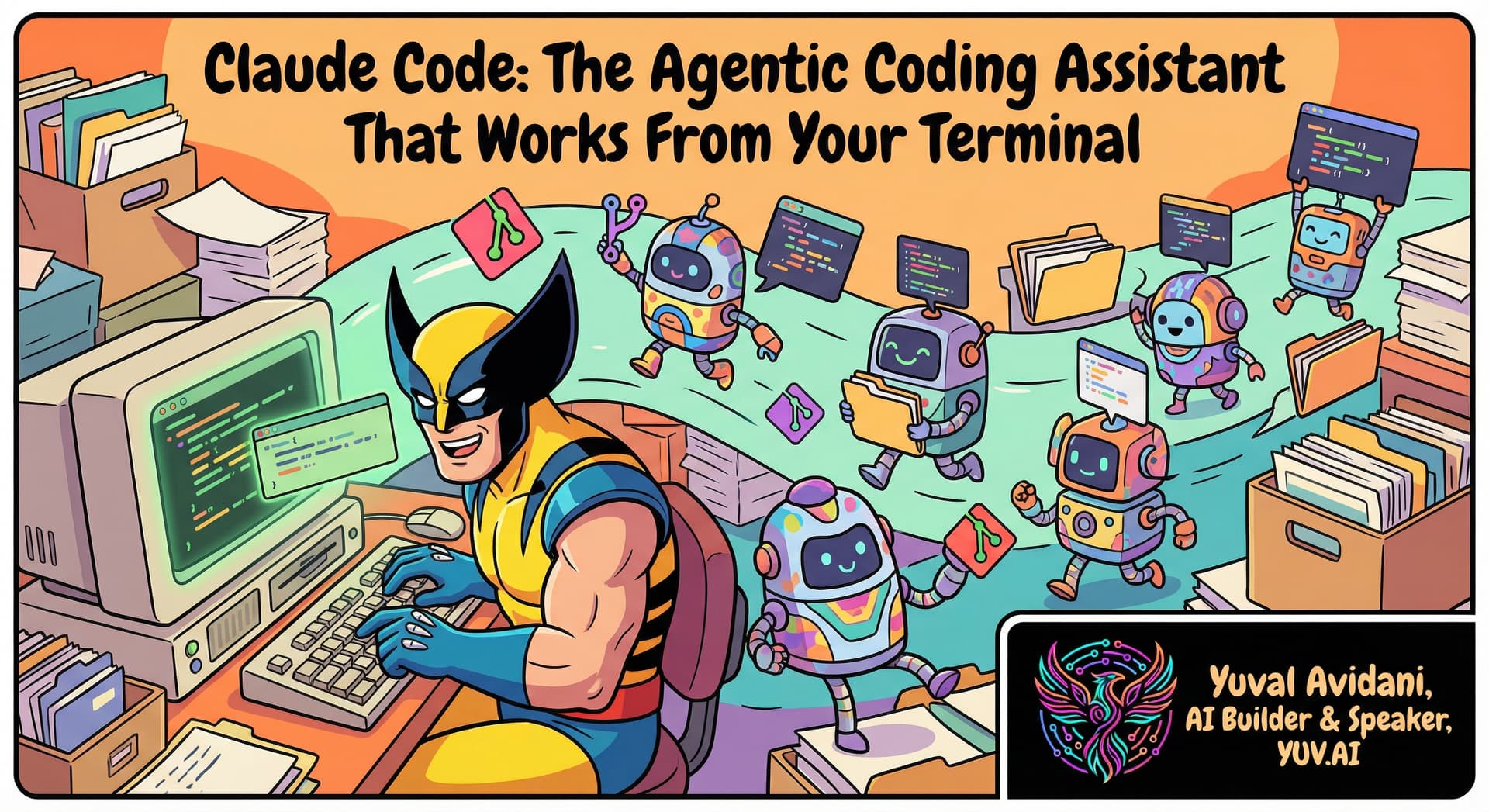
An Agentic Coding Assistant That Lives in Your Terminal The project claude-code solves the problem of context-sw...

Claude Code is an agentic coding assistant from Anthropic that runs directly in your terminal. Unlike autocomplete tools, it can autonomously navigate your codebase, fix bugs, explain complex logic, and handle git workflows using plain English commands - shifting from AI that helps you code to AI that codes for you.

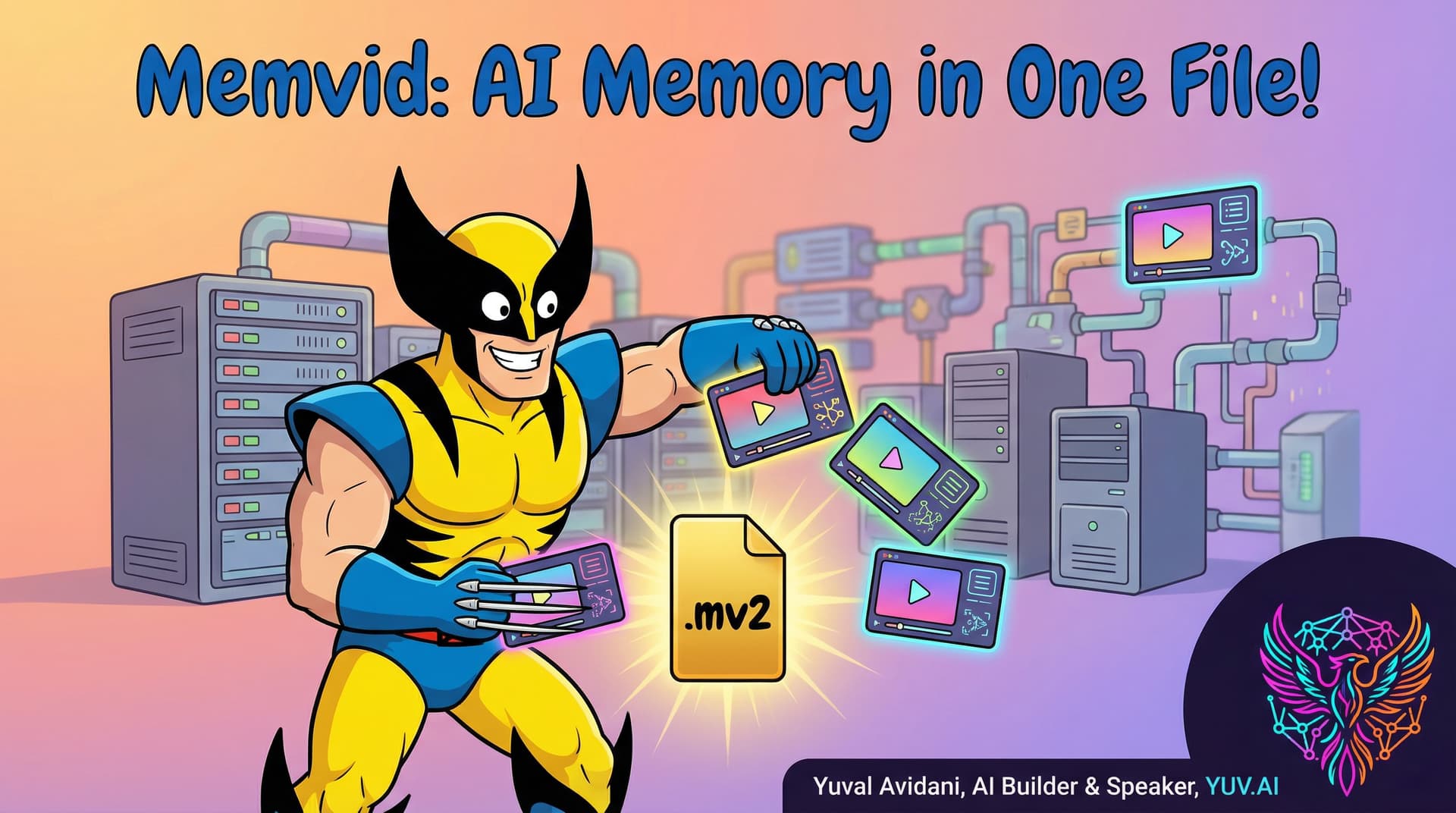
AI Agents Finally Get a Memory That Doesn't Require a PhD The project Memvid solves the fundamental problem of giving AI ...

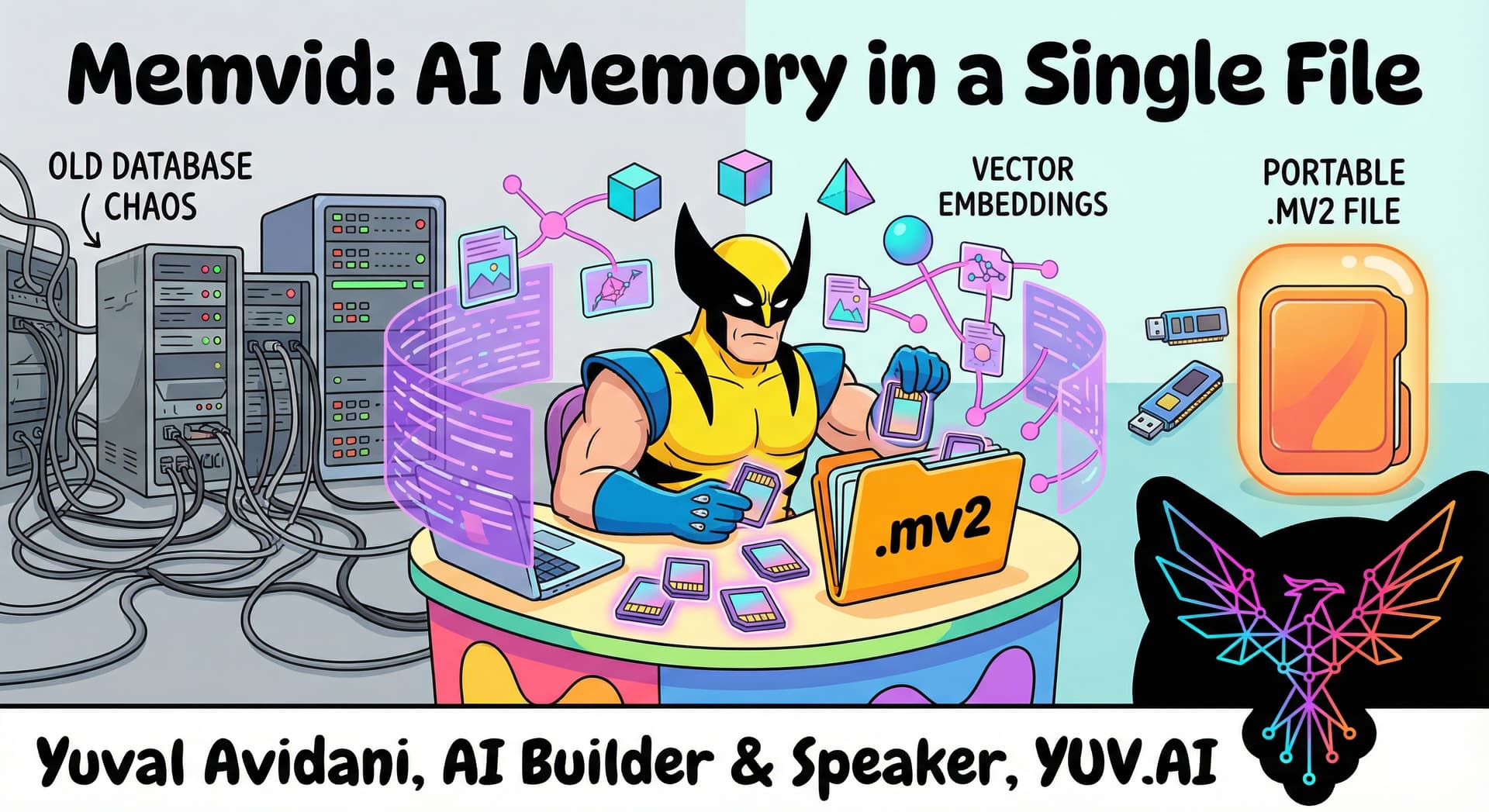
AI Memory Without the Infrastructure Nightmare The project Memvid solves the problem of giving AI agents persistent memor...

AI Agents Finally Get Portable Memory Without Infrastructure Bloat The project Memvid solves the problem of giving AI age...

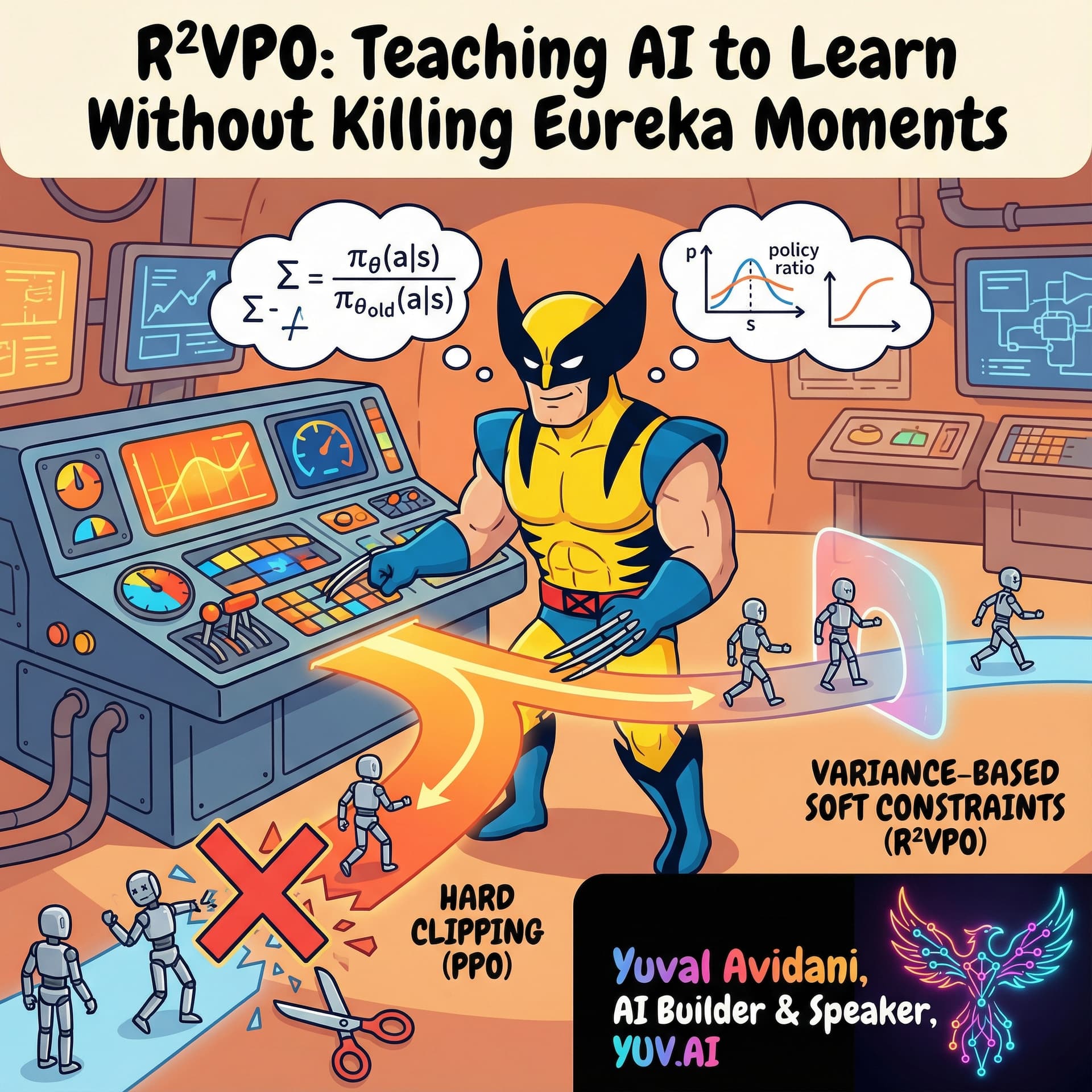
Teaching AI to Learn Without Killing Brilliant Ideas The paper Ratio-Variance Regularized Policy Optimization (R²VPO) tackles one of the...

Finally, AI Agent Memory Without the Database Nightmare The project memvid/memvid solves the problem of giving AI agents long-term memory...

The Project That Makes GPU-Free AI Inference Actually Work The project microsoft/BitNet solves the problem of running large language...

Finally, a Training Gym That Matches the Chaos of Real Websites The paper WebGym tackles the massive gap between what AI agents can do in...

Finally, A Proper Training Ground for Web Agents The paper WebGym tackles the most frustrating gap in AI agents right now...

Running Massive AI Models Locally Just Became Possible The project microsoft/BitNet solves the problem of running larg...

The Open Source Answer to AI Coding Agents The project OpenCode (https://github.com/anomalyco/opencode) solves the p...
We tested Claude 4 Opus and GPT-5 across 15 real-world coding tasks. The results might surprise you - and reveal which model to use for different development scenarios.

When the Pipeline Breaks Before It Starts I was prepared to analyze the latest arXiv research paper today - ready to break down complex AI concepts, explain ...

The AI Agent That Forgot Its Job I set up an AI agent with one simple task: scan trending GitHub repositories, analyze them for impact in AI and coding, and ...

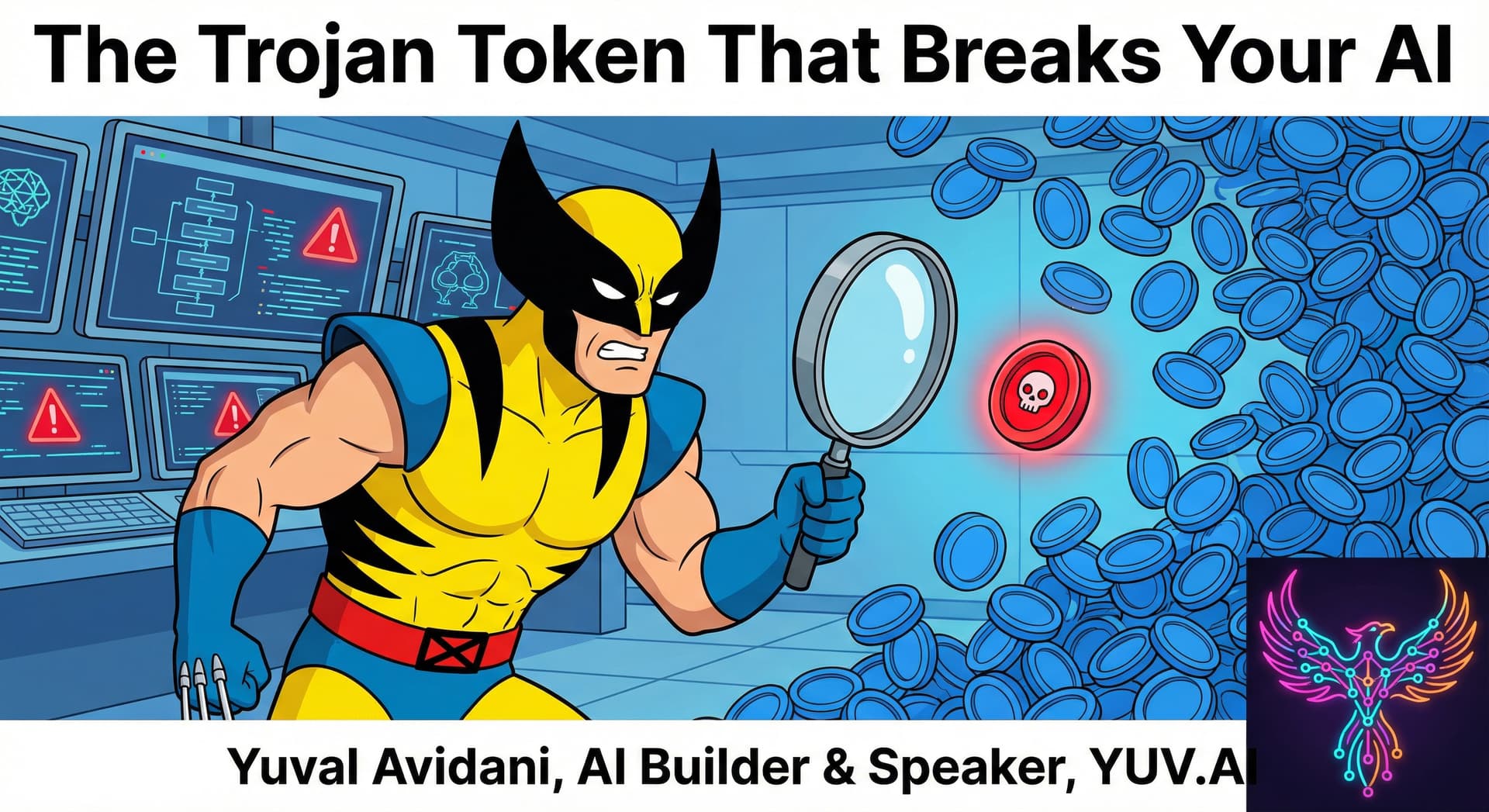
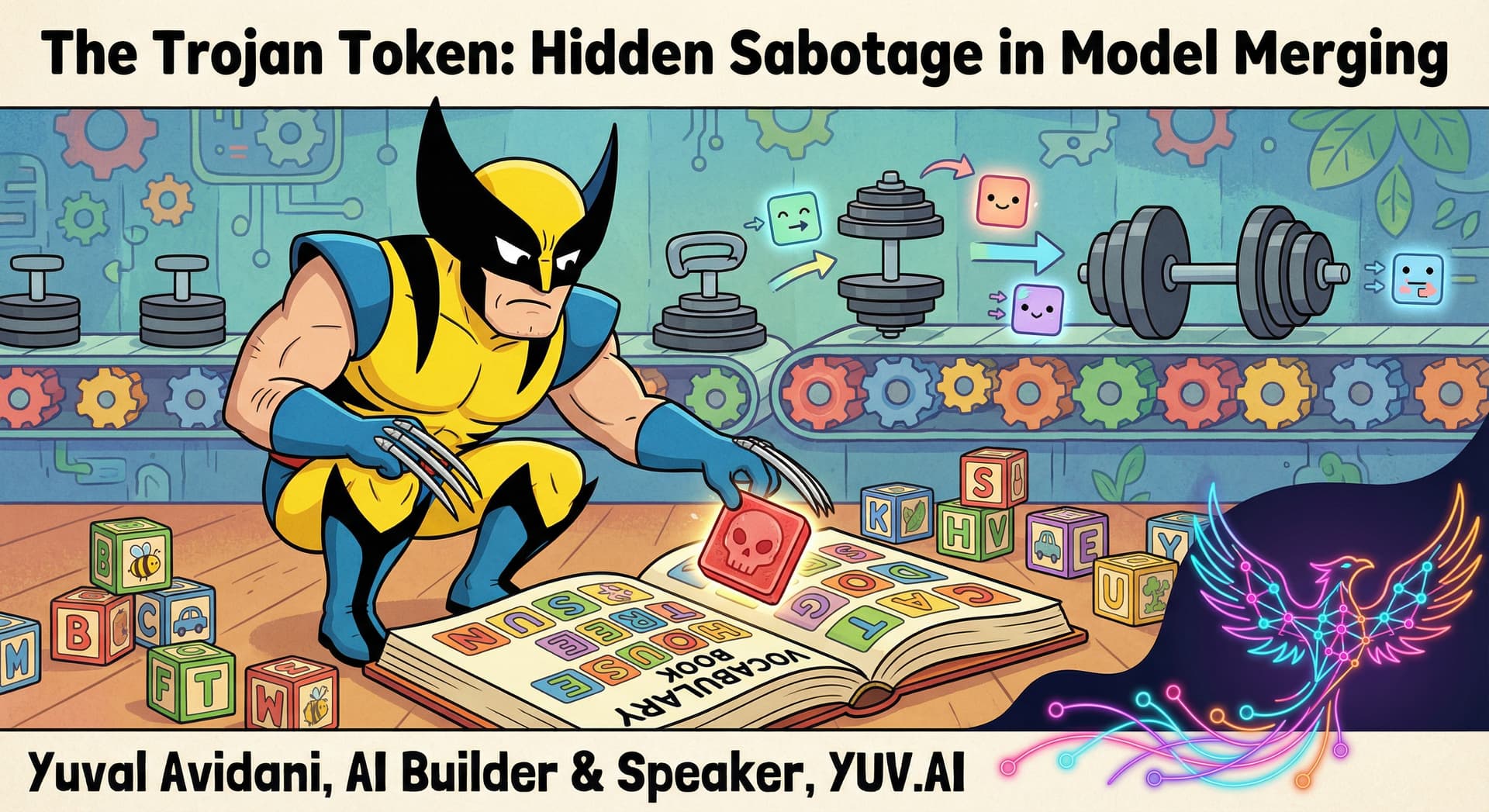
The Security Hole Nobody Saw Coming The paper The Trojan in the Vocabulary: Stealthy Sabotage of LLM Composition just exp...

The Supply Chain Attack Nobody Saw Coming The paper The Trojan in the Vocabulary: Stealthy Sabotage of LLM Composition ex...

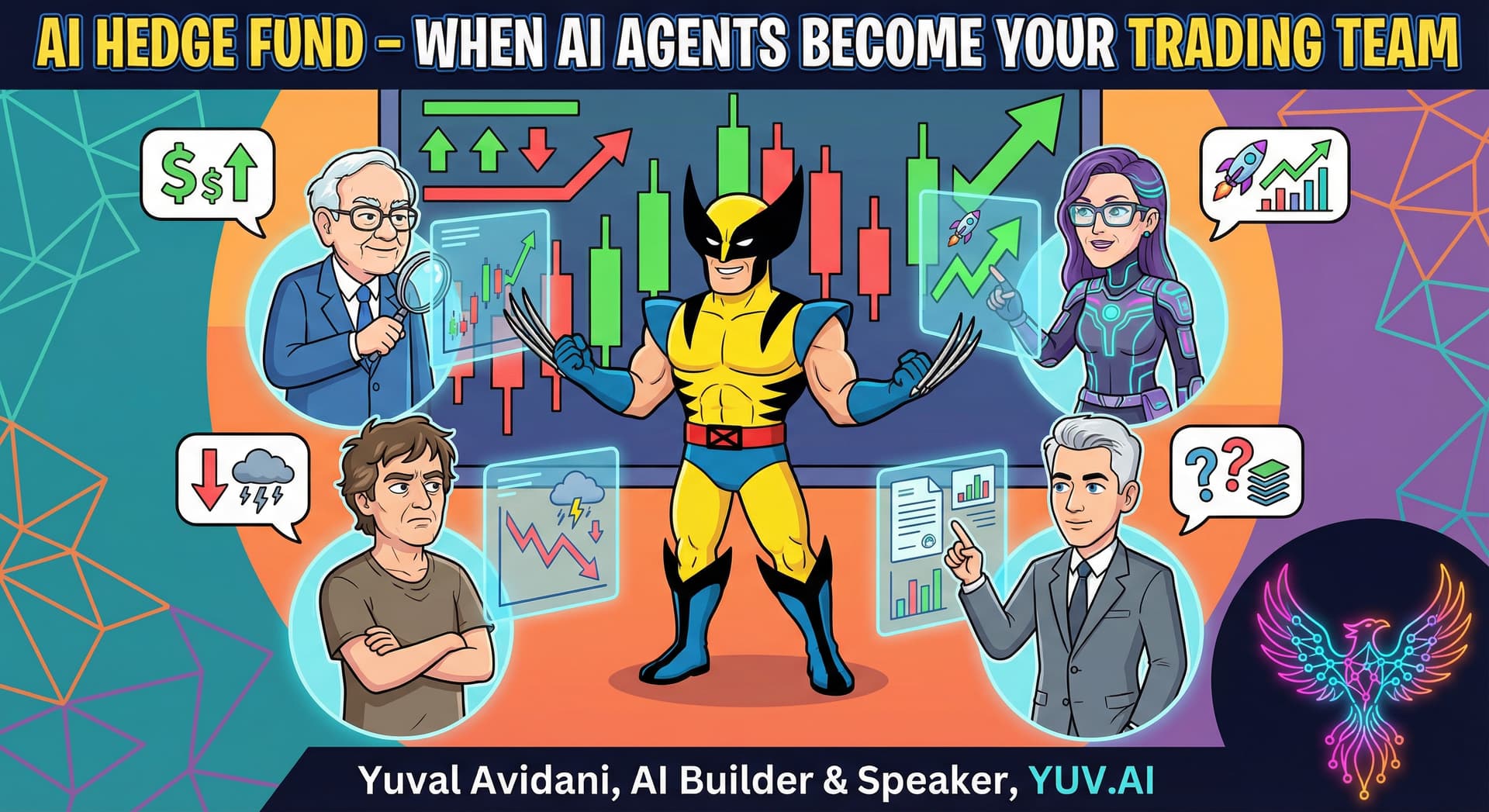
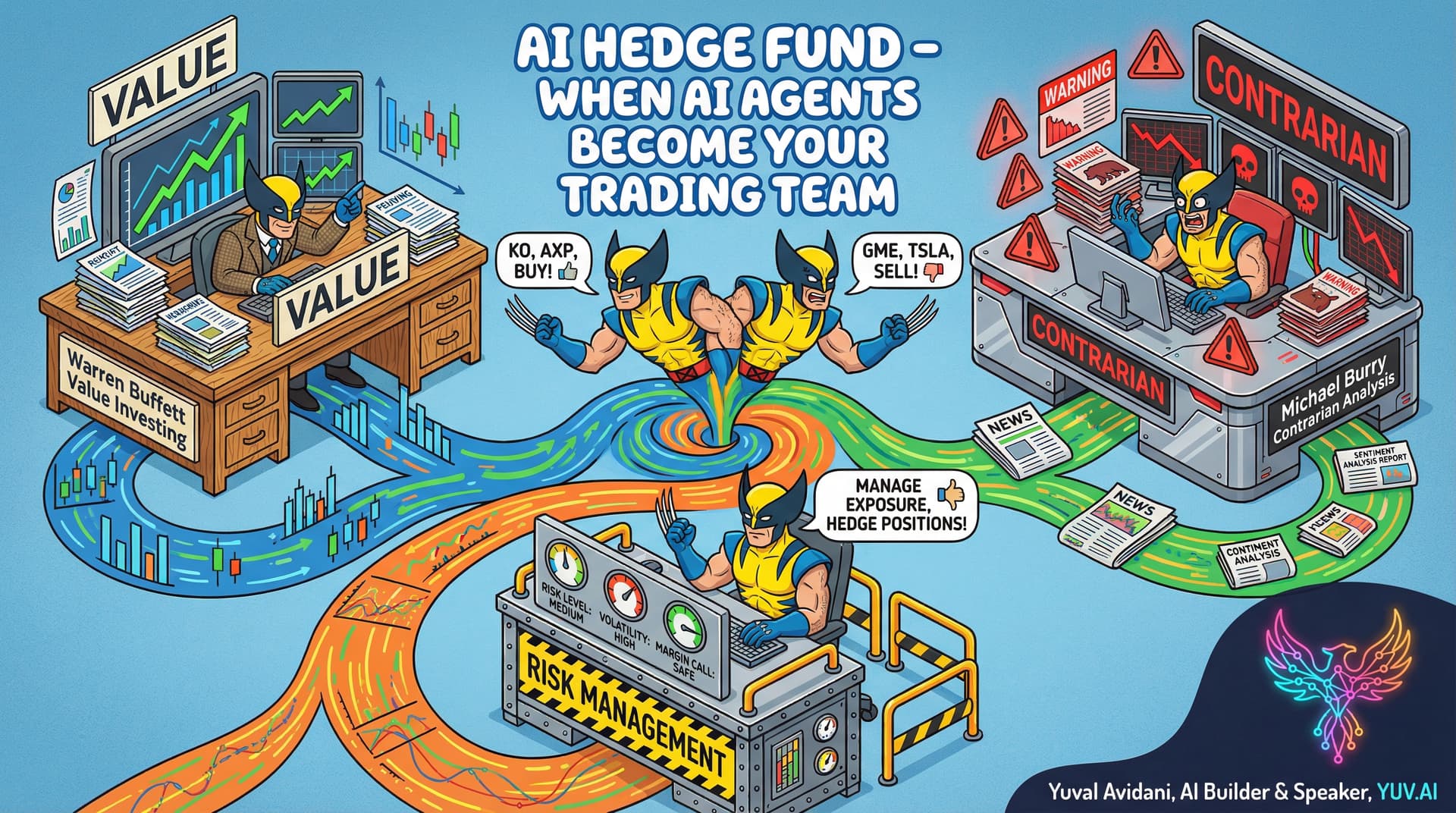
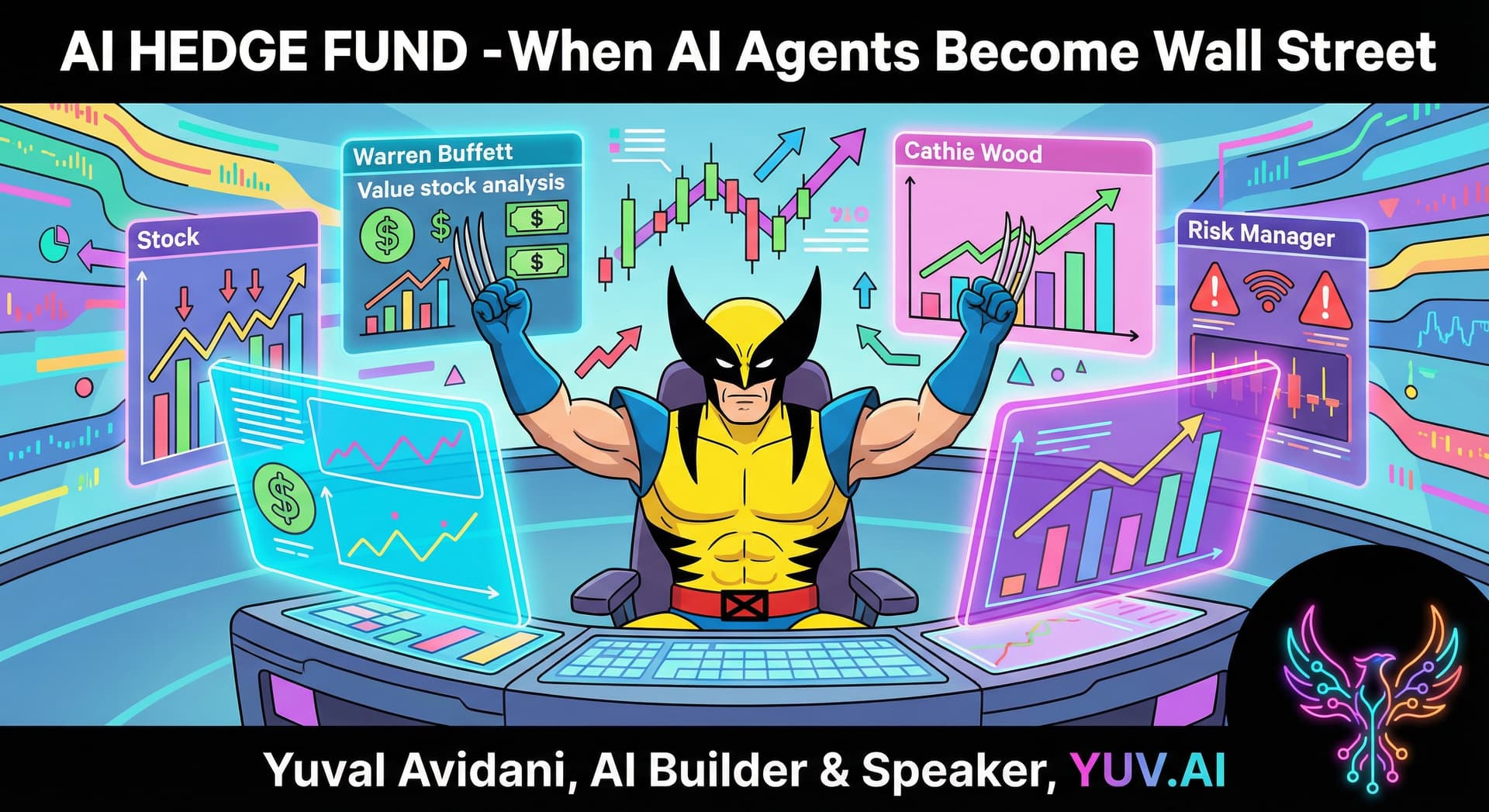
What Happens When You Let AI Versions of Warren Buffett and Cathie Wood Fight Over the Same Stock? The project [AI Hedge Fund](https://github.com/virattt/ai-...

What Happens When AI Agents Become Investment Analysts The AI Hedge Fund repo solves the problem of synthesizing ...

When AI Agents Become Wall Street Analysts The project ai-hedge-fund solves the problem of single-perspective bia...
Stop using Cursor like a chatbot. These power-user techniques will transform how you code - from codebase-wide refactoring to AI-powered debugging that actually works.

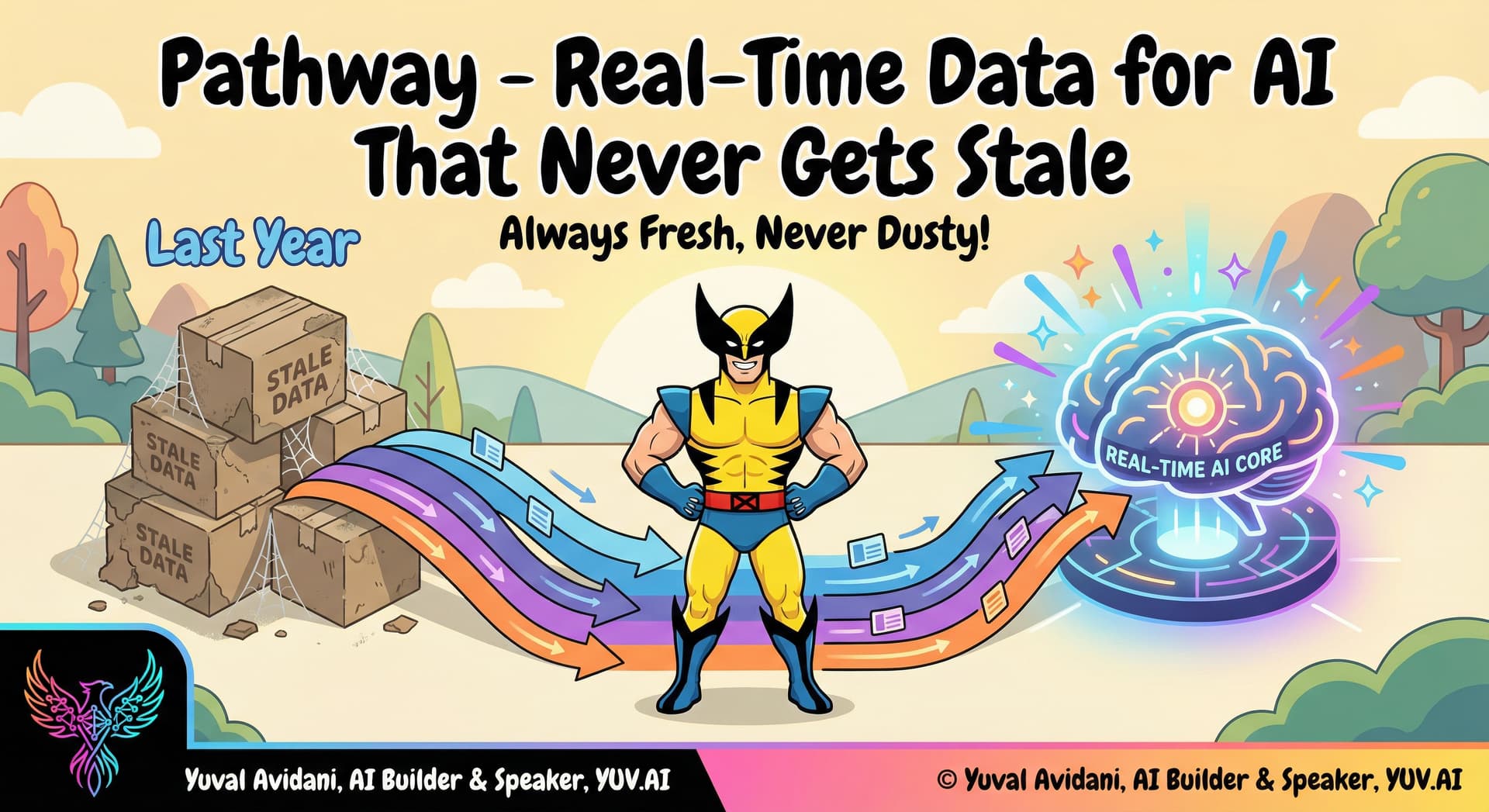
Pathway is a high-performance Python ETL framework for stream processing and real-time AI pipelines. It solves the problem of feeding live data into LLM systems without painful batch re-indexing - using incremental updates instead of full rebuilds.
Anthropic's MCP is becoming the USB-C of AI integrations. Here's how to build your first MCP server, why it matters for the agentic future, and how to integrate it into your existing systems.
Traditional RAG pipelines are hitting a wall. The next evolution combines retrieval with autonomous agents that reason about what to retrieve and when. Here's how to build systems that actually work.

Why 2026 is the year of the autonomous agent. We move beyond simple RAG to agents that can plan, execute, and correct themselves - fundamentally changing how we build AI-powered applications.

It's not just about logic anymore. It's about the flow. How LLMs allow us to code at the speed of thought - and the skills you need to thrive in this new paradigm.
OpenAI just open-sourced their terminal AI. It's changing how I interact with the command line forever - natural language is becoming the universal interface for system administration.

A deep dive into the stability of Next.js 15 and why Turbopack changes the game for large monorepos.
Stop wrestling with regex and pray-parsing. Modern LLMs guarantee valid JSON output. Here's how structured outputs work, why they matter, and how to use them effectively in production.

Is spatial computing dead? Far from it. Here is what I have built and learned over the last 6 months.
Controversial take: AI code review is better than most human reviews. Here's my automated pipeline.
RAG isn't always the answer. Sometimes you need a model that just knows your domain. Here's the modern guide.

Stop paying OpenAI. Run Llama 3 on your MacBook Pro and keep your data private.

How do you design a UI for a non-deterministic system? Trust indicators, graceful failure states, and human-in-the-loop patterns are key to building AI interfaces users actually trust.
We were spending $50K/month on AI. One architectural change dropped it to $15K. Here's exactly how.
The lines between reality and generation have blurred completely. Midjourney v7 delivers unprecedented photorealism, character consistency, and creative control - fundamentally changing how we think about AI-generated imagery.
If an AI agent breaks production, who is responsible? The developer, the prompter, or the model provider?
What will we be using next year? My bet is on Rust, Wasm, and more Agentic Workflows. Here's a comprehensive look at where developer tooling and the tech landscape are headed.
Vercel is great, but when you're running heavy inference, you need the raw power and cost control of AWS.
How LLMs are reshaping the way developers write code.
Discover how to automate your entire workflow using Make.com. From simple tasks to complex AI pipelines.
A guide to scalable machine learning infrastructure.
Learn how to build your first AI agent from scratch. This comprehensive guide covers tools, memory, and multi-agent systems.
Introducing my new blog focused on AI, automation, and modern development practices. Join me on this journey!