
Yuval Avidani
Author
Key Takeaway
Codebuff is a multi-agent AI coding assistant that edits our codebases through natural language instructions by coordinating specialized agents. Created by CodebuffAI, it achieves a 61% success rate on complex coding benchmarks by using a File Picker Agent, Planner Agent, Editor Agent, and Reviewer Agent working together.
What is Codebuff?
Codebuff is an open-source AI coding assistant that fundamentally changes how we interact with our codebases from the terminal. The project Codebuff solves the problem of context limitations that we all face when using single-model AI assistants to edit code.
Instead of relying on one LLM to guess our codebase structure and make changes, Codebuff employs a multi-agent architecture - meaning it coordinates multiple specialized AI agents, each focused on a specific task in the code editing workflow.
The Problem We All Know
We've all experienced this frustration: we ask Claude, GPT, or another AI assistant to add a feature to our codebase. The AI either makes changes that break existing functionality, modifies the wrong files, or loses context halfway through a complex task.
The root cause? Single-model assistants try to do everything at once. They need to simultaneously understand our entire file structure, plan the sequence of changes, write the actual code, and validate that everything works. It's like asking one person to be the architect, construction worker, and building inspector all at the same time. The results are predictably inconsistent.
We end up spending more time reviewing and fixing AI-generated code than if we'd written it ourselves. The promise of AI-assisted coding often falls short when dealing with real-world, multi-file changes.
How Codebuff Works
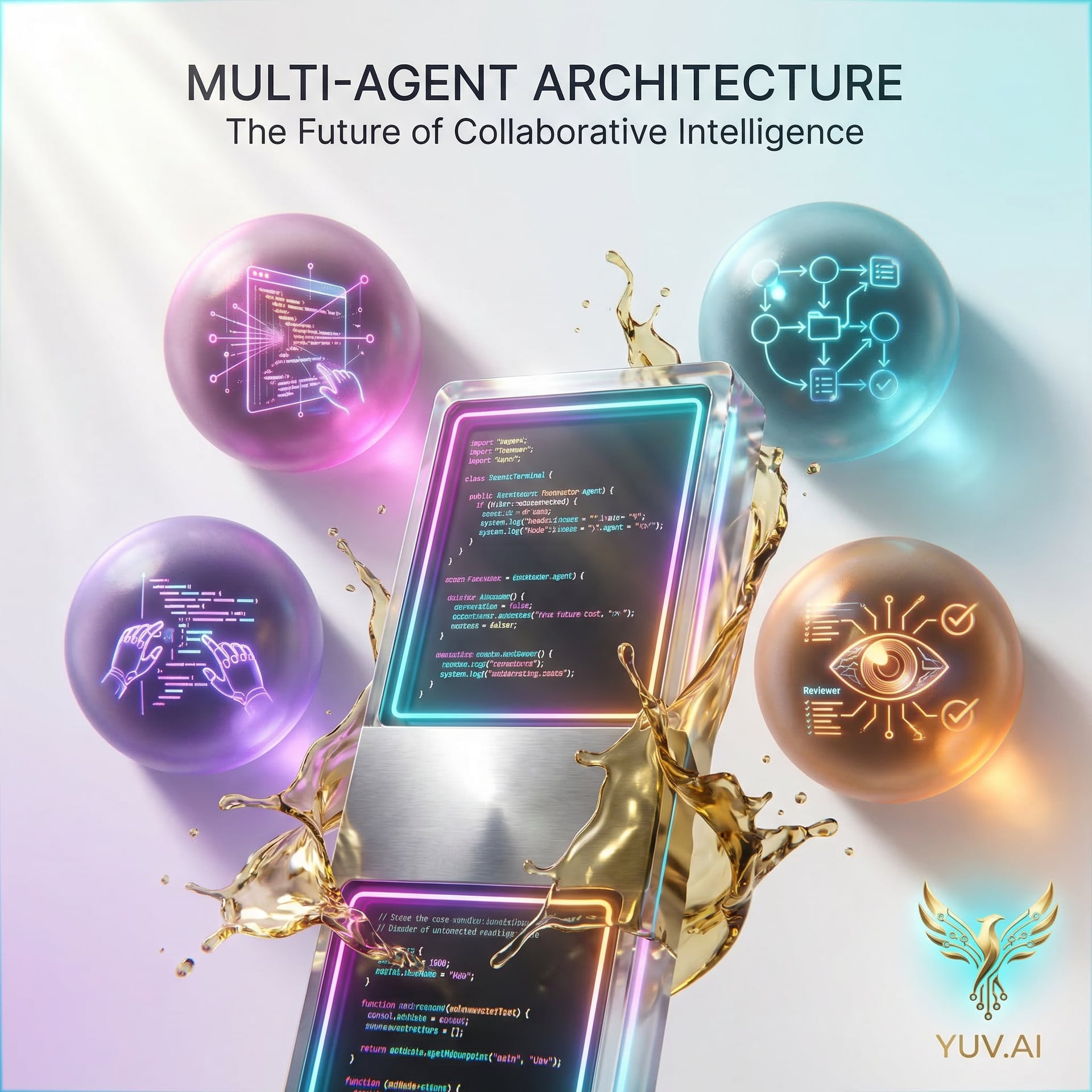
Codebuff takes a fundamentally different approach through multi-agent orchestration - meaning instead of one AI doing everything, multiple specialized agents coordinate to complete our task.
When we instruct Codebuff to add a feature or make changes, here's what happens:
- File Picker Agent scans our codebase architecture and identifies exactly which files need modifications. Think of it like a project manager who knows the entire building blueprint and can point to exactly which rooms need work.
- Planner Agent sequences the edits in the right order, ensuring dependencies are handled correctly. This is like a construction foreman creating the work schedule - foundation before walls, walls before roof.
- Editor Agent executes the precise code changes according to the plan. This is our skilled craftsperson who does the actual work.
- Reviewer Agent validates everything before committing, checking for errors, inconsistencies, or breaking changes. Our quality control inspector.
This coordination happens automatically. We just give Codebuff a natural language instruction, and the agents handle the orchestration themselves.
Quick Start
Here's how we get started with Codebuff:
# Install Codebuff
npm install -g codebuff

# Initialize in our project
cd our-project
codebuff init

# Give it an instruction
codebuff "add user authentication to the login page"

# The agents will coordinate and execute the changes
A Real Example
Let's say we want to add error handling to our API endpoints. Here's how we'd use Codebuff:
# Natural language instruction
codebuff "add try-catch error handling to all API endpoints in src/api/"

# Codebuff's agents work together:
# 1. File Picker identifies all files in src/api/
# 2. Planner sequences which endpoints to modify first
# 3. Editor adds try-catch blocks with proper error responses
# 4. Reviewer checks that all error cases are handled

# We can also create custom agents for our workflow
codebuff create-agent smart-committer
# This generates a TypeScript template we can customize
Key Features
- Multi-Agent Architecture - coordination between specialized agents means better context retention and more accurate changes. Each agent focuses on one task instead of trying to do everything.
- 61% Success Rate on Complex Benchmarks - Codebuff achieves higher accuracy than competitors like Claude Code on challenging multi-file editing tasks. This isn't perfect, but it's significantly better than single-model approaches.
- Custom Agent Creation - we can build our own agents via TypeScript generators. Need a specialized validator for our tech stack? Create an agent. Want an intelligent git commit message generator? Build that agent. The framework is extensible.
- Model Flexibility via OpenRouter - Codebuff supports any LLM through OpenRouter integration. We can switch between GPT-5, Claude, DeepSeek, or others based on the task's complexity and our budget. No vendor lock-in.
- Terminal-Native - works directly in our command line workflow. For developers who live in the terminal, this integrates seamlessly with our existing habits.
When to Use Codebuff vs. Alternatives
Codebuff excels when we need AI to make complex, multi-file changes while maintaining context. If we're working on a feature that touches multiple components, API endpoints, and tests, Codebuff's multi-agent approach handles this better than single-model tools.
Alternatives like GitHub Copilot or Cursor are excellent for single-file completions and suggestions as we type. They're optimized for inline assistance. Codebuff is optimized for architectural-level changes across multiple files.
Claude Code and similar tools use powerful single models. They work well for straightforward tasks but struggle with complex, multi-step changes where context needs to be maintained across many files. Codebuff's specialized agents handle this coordination better.
When would we choose something else? If we prefer a GUI-based tool, Codebuff's terminal-only interface might not fit our workflow. If we're mainly doing single-file edits, the overhead of multi-agent coordination might be unnecessary.
My Take - Will I Use This?
In my view, this is the right architectural direction for AI coding assistants. Single-model approaches will always hit context limitations. Multi-agent systems can scale because each agent specializes in one aspect of the problem.
The 61% success rate on complex benchmarks is honest and realistic. AI coding tools shouldn't promise perfection. They should promise to handle the tedious, repetitive parts of coding so we can focus on the creative, architectural decisions. Codebuff does that.
Will I use this? Absolutely. The ability to create custom agents for our specific workflow is huge. Every team has unique validation requirements, coding standards, and patterns. Being able to build an agent that understands our specific context is powerful.
The OpenRouter integration is smart. We're not locked into one model provider's pricing or capabilities. If GPT-5 is better for planning but DeepSeek is cheaper for simple edits, we can mix and match.
The limitation is clear: it's terminal-based. If our team prefers GUI tools like Cursor, this requires a workflow adjustment. But for developers who already live in the terminal, that's actually a feature - one less context switch.
Check it out: Codebuff on GitHub
Frequently Asked Questions
What is Codebuff?
Codebuff is an open-source multi-agent AI coding assistant that edits codebases through natural language instructions by coordinating specialized agents for file selection, planning, editing, and review.
Who created Codebuff?
Codebuff was created by CodebuffAI, a team focused on building practical AI developer tools.
When should we use Codebuff?
Use Codebuff when we need AI to make complex, multi-file changes that require maintaining context across our entire codebase architecture.
What are the alternatives to Codebuff?
Alternatives include GitHub Copilot (best for inline suggestions), Cursor (GUI-based multi-file editing), and Claude Code (single-model approach). Each has different strengths depending on our workflow.
What are the limitations of Codebuff?
Codebuff is terminal-only, which requires CLI comfort. Custom agent creation needs TypeScript knowledge. The 61% success rate, while better than competitors, means we still need to review changes carefully.
How does Codebuff compare to Claude Code?
Codebuff achieves a 61% success rate on complex benchmarks versus lower rates for Claude Code. The multi-agent architecture maintains context better than single-model approaches when dealing with architectural-level changes.